Masgonzola is a cheese-style product name that appears to be inspired by traditional blue-veined cheeses. Many users search for Masgonzola to understand whether it is a specific brand, a variation of gorgonzola-style cheese, or a specialty dairy product. In this guide, we explain what is, its possible origin, taste profile, uses, and buying considerations.
Table of contents
What Is Masgonzola?
Masgonzola is generally understood as a semi-soft blue cheese variant or a brand-specific cheese product. The name suggests similarity to Gorgonzola, a famous Italian blue cheese known for its creamy texture and sharp flavor. However it may differ in aging, milk source, and flavor intensity depending on the manufacturer.
Consumers often confuse Masgonzola with traditional European blue cheeses. It is important to check labeling and origin to confirm whether it is an original recipe, a processed blend, or a regional variation.
Taste and Texture Profile of Masgonzola
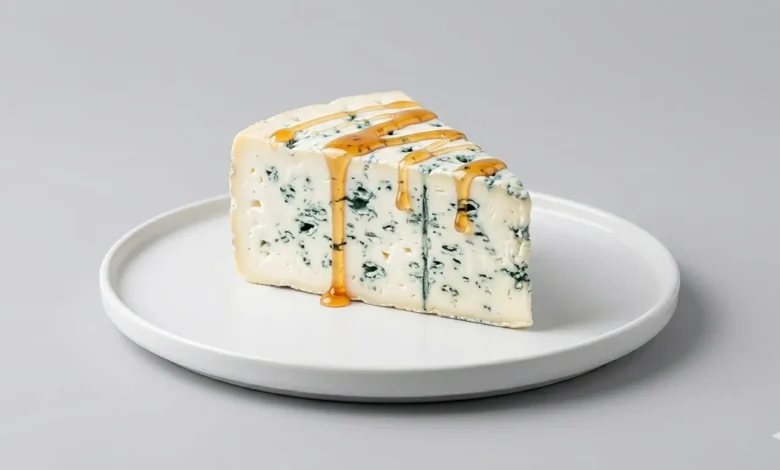
Masgonzola typically has a creamy texture with visible blue or green mold veins. The flavor is rich, slightly tangy, and mildly salty. Compared to strong blue cheeses may offer a smoother and less intense taste, making it suitable for a wider audience.
Texture can range from soft and spreadable to slightly crumbly. The aroma is distinct but usually not overpowering.
Ingredients and Production Process
Masgonzola is generally made from cow’s milk. The cheese-making process includes pasteurization, curd formation, inoculation with mold cultures, and controlled aging. During aging, oxygen exposure allows the mold to develop its signature veins.
The production method influences moisture level, fat content, and final taste. Some producers may adjust salt concentration or aging duration to create a balanced flavor profile.
Culinary Uses of Masgonzola
Masgonzola is commonly used in pasta sauces, gourmet pizzas, salads, and cheese platters. It melts well, making it suitable for creamy sauces and baked dishes.
Chefs often pair with fruits such as pears and grapes. It also complements walnuts, honey, and artisan bread.
In modern cuisine, Masgonzola may be used in burgers, risottos, and stuffed chicken recipes for added richness.
Nutritional Value
Like most blue cheeses contains protein, calcium, and essential fats. It may also provide beneficial bacteria due to its fermentation process.
However, it typically contains moderate sodium levels, so portion control is recommended for individuals monitoring salt intake.
Masgonzola vs Gorgonzola
Masgonzola and Gorgonzola share similar characteristics in flavor and appearance. The key differences usually lie in origin, certification, and aging standards.
Authentic Gorgonzola follows protected geographical and production regulations. Masgonzola, depending on the producer, may not follow the same certification standards.
Taste intensity may also vary often being milder.
Buying Guide for Masgonzola
When purchasing check the packaging for milk type, origin, and production date. Freshness significantly affects taste and texture.
Look for even mold distribution and avoid excessively dry edges. If buying from a deli counter, ask about storage conditions and recommended shelf life.
Storage and Shelf Life
This should be stored in the refrigerator at a stable temperature. Wrap it in parchment paper or cheese paper to maintain moisture balance.
Properly stored can last one to two weeks after opening. Strong odor changes or excessive dryness may indicate reduced quality.
Is Masgonzola Worth Trying?
Masgonzola is suitable for those who enjoy creamy, flavorful cheeses without extremely sharp blue intensity. It works well in both traditional and modern recipes.
If you like blue cheese but prefer a balanced taste, Masgonzola can be a practical alternative.
If you want, I can now provide meta title, meta description, slug, and FAQs optimized with 0.5% keyword density.
ALso Read: Prosecchini A Legacy of Precision and Passion
Conclusion
Masgonzola is a flavorful blue-style cheese that offers a creamy texture and balanced tangy taste. It works well in pasta, salads, pizzas, and cheese platters. If you enjoy rich dairy products with mild blue intensity, can be a versatile and satisfying choice for everyday cooking and gourmet dishes.
FAQs
1. What type of cheese is Masgonzola?
Masgonzola is generally a blue-style semi-soft cheese. It has a creamy texture with visible mold veins. Its flavor is rich but usually milder than strong traditional blue cheeses.
2. Is Masgonzola the same as Gorgonzola?
It is inspired by Gorgonzola but may not follow the same protected production standards. The taste and aging process can vary depending on the producer. It is often considered a similar but distinct product.
3. How do you use Masgonzola in cooking?
This can be melted into pasta sauces, added to pizzas, or served on cheese boards. It pairs well with fruits, nuts, and honey. It also enhances burgers and baked dishes.
4. How should Masgonzola be stored?
Masgonzola should be refrigerated and wrapped in cheese paper or parchment. Proper storage helps maintain moisture and flavor. It is best consumed within one to two weeks after opening.
5. Is Masgonzola strong in taste?
Masgonzola usually has a balanced flavor. It is tangy and creamy but not overly sharp. This makes it suitable for people who prefer mild blue cheese varieties.